Whole-home bed bug thermal remediation serves as the definitive structural intervention when chemical spot treatments fail to eliminate hidden harborages. In dense historic neighborhoods like The Fan District, Museum…
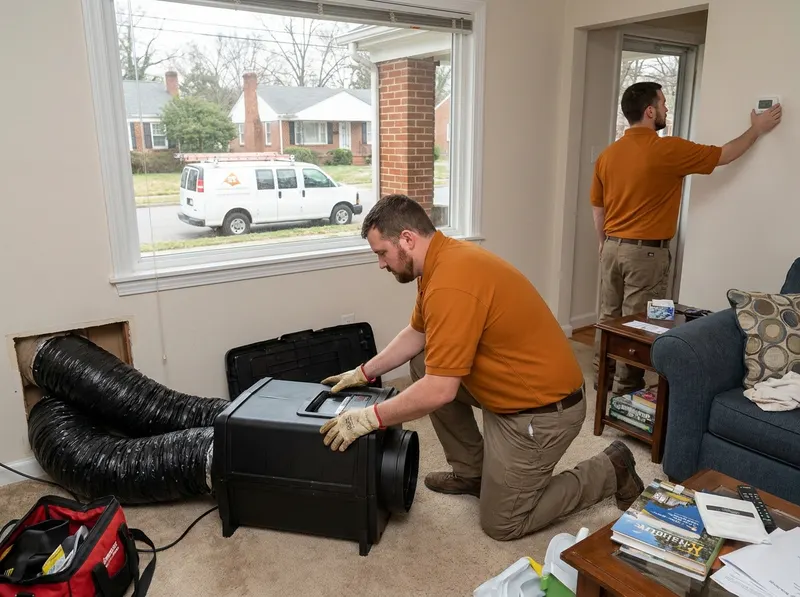
Whole-home bed bug thermal remediation serves as the definitive structural intervention when chemical spot treatments fail to eliminate hidden harborages. In dense historic neighborhoods like The Fan District, Museum District, and Jackson Ward, bed bugs migrate effortlessly through lathe-and-plaster wall cavities, shared party walls, and original heart-pine flooring joints. Standard liquid surface applications often trigger chemical repellency, driving insects deeper into adjacent rooms or neighboring rowhouse units. Convective thermal remediation surrounds and neutralizes these pests by turning the entire building envelope into an uninhabitable thermal chamber. Because heat transfers evenly through heavy textiles, mattress cores, and deep structural millwork, thermal remediation eliminates the acute emotional distress of recurring bites without leaving chemical residues on sleeping surfaces.
Selecting structural thermal remediation over multi-visit chemical applications eliminates weeks of disruptive prep work, chemical exposure anxieties, and recurring disruption. In neighborhoods featuring vintage multi-story architecture like Church Hill, Ginter Park, and Woodland Heights, convection airflow units circulating heat past 125°F denature the vital cellular proteins of bed bugs within minutes. While chemical protocols demand repeated visits spread over 30 to 60 days to target newly hatched eggs, heat destroys the protective outer shell of bed bug eggs immediately. The primary operational trade-off of thermal treatment is upfront preparation: residents must temporarily vacate with domestic pets for the duration of the 8-hour heat soak and carefully remove pressurized canisters, delicate vinyl records, and meltable cosmetics before equipment deployment.
Structural thermal execution requires strict engineering discipline to maintain lethal heat thresholds without causing thermal expansion damage to household goods. Calibrated remote thermal sensors placed in insulated cavities—such as behind exterior-facing drywall, beneath dense memory foam mattresses, and deep within closet storage—verify that every micro-harborage maintains sustained lethal exposure for a minimum of four continuous hours. Operating under The Protector standard, our protocol focuses strictly on total eradication and root-cause structural remediation, completely bypassing the high-pressure multi-year subscription contracts common in the pest industry.
Every job gets a firm, written price after a free on-site visit.
Tell us about your whole-home bed bug thermal remediation job in Richmond and we'll send a clear, written quote — usually the same day.
 Deltaro Pest Solutions